




【On-site Report vol.05】Accessibility to the New Frontier of Music × Theater: A New Form of Creation Challenged by Nutomic
2026/02/18
Creative concept and background
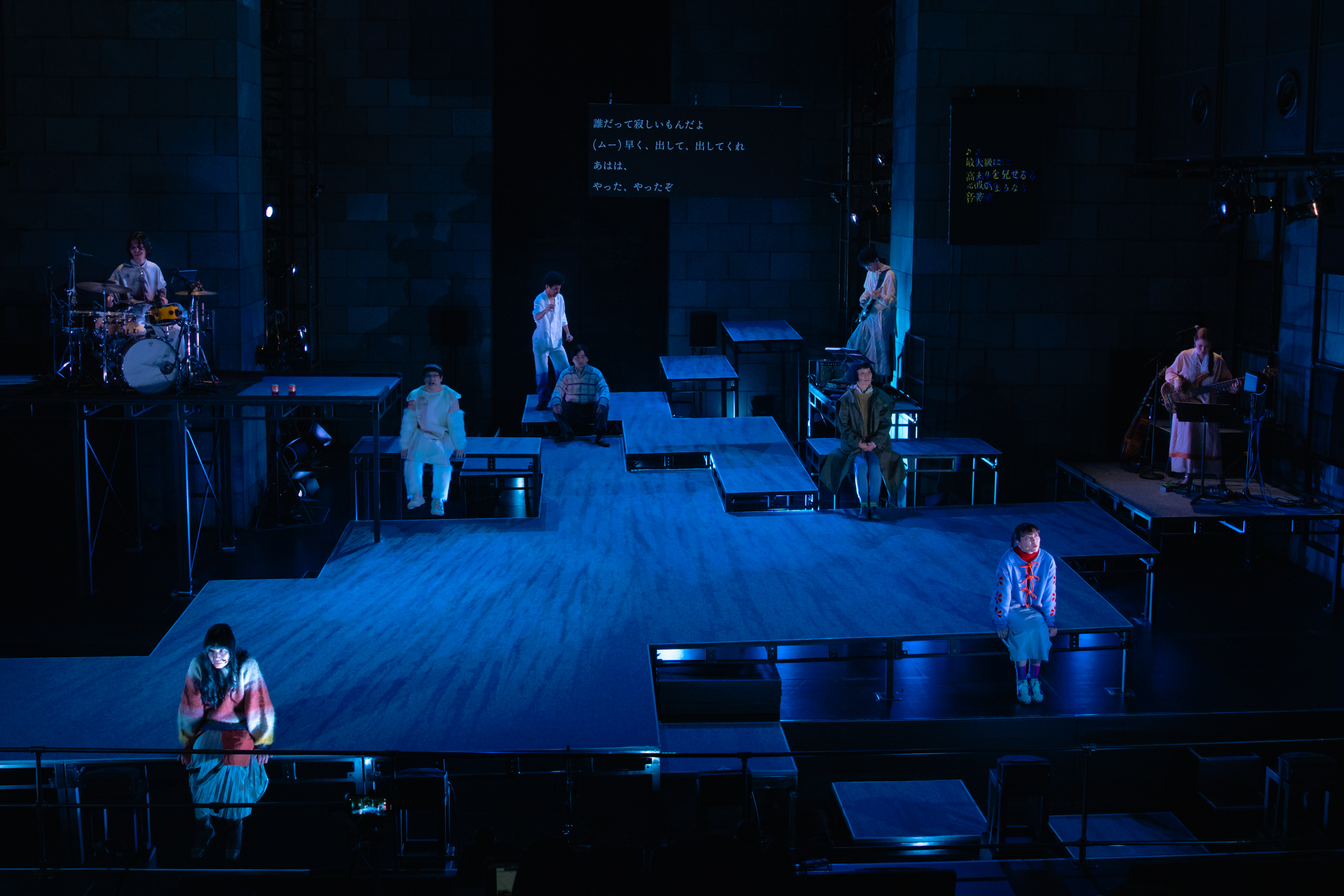
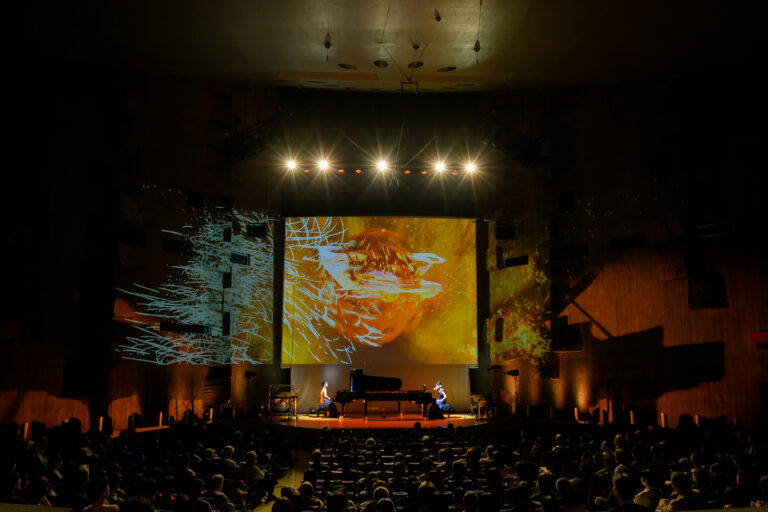
Nutomic has sought a stage language that is different from Western musicals and operas, where the sound of Japanese and the music are in opposition. In this stage play “The Story of the Islands Beyond”, while dealing with the heavy theme of “suicide”, he redesigned the relationship between music and words, aiming for a structure that treats actors and music as equals. Music was positioned as a driving force for the story rather than as a background music aid, and the subtitles verbalized the intention, providing the audience with a new visual and auditory experience.
Features of Viewing Accessibility
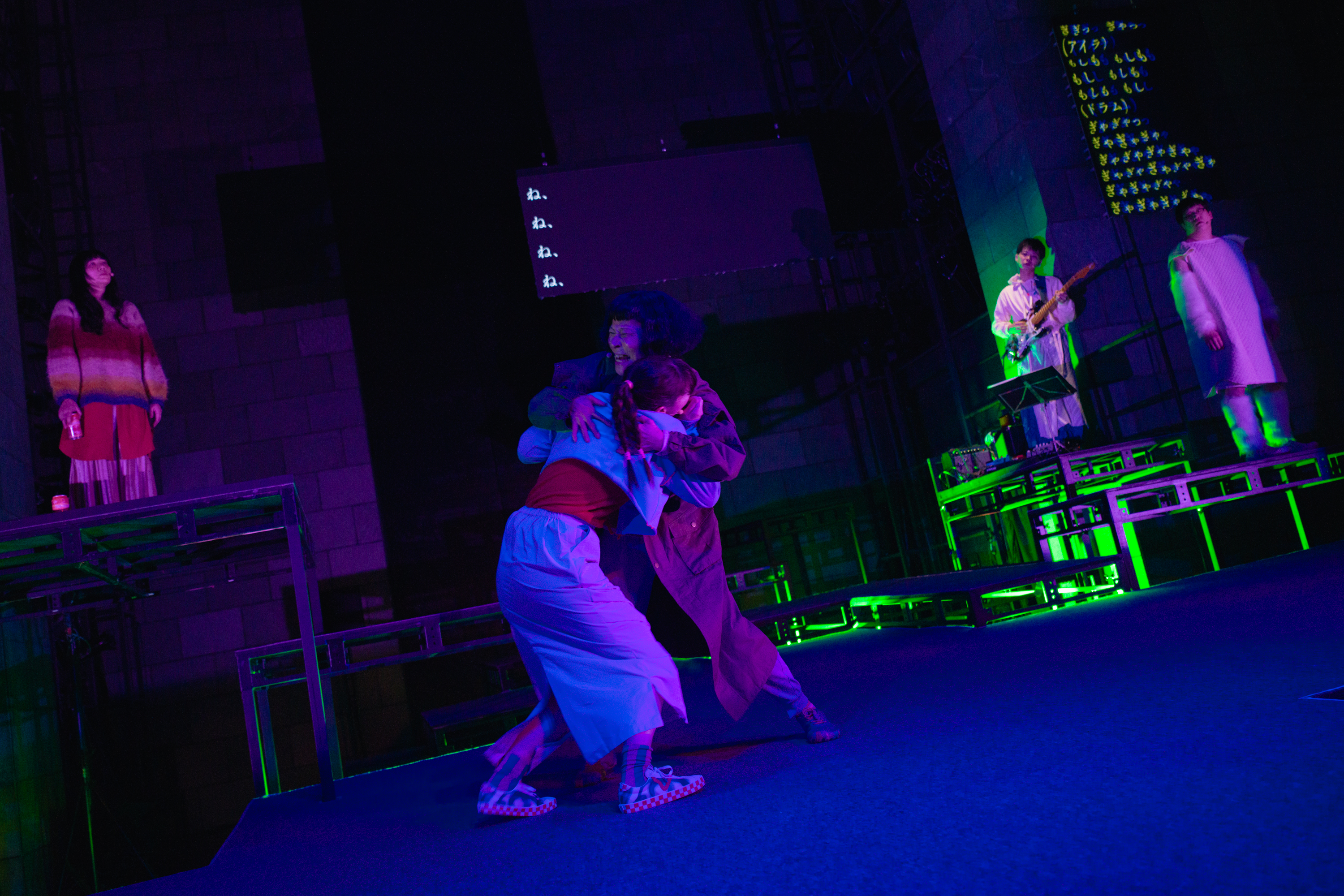
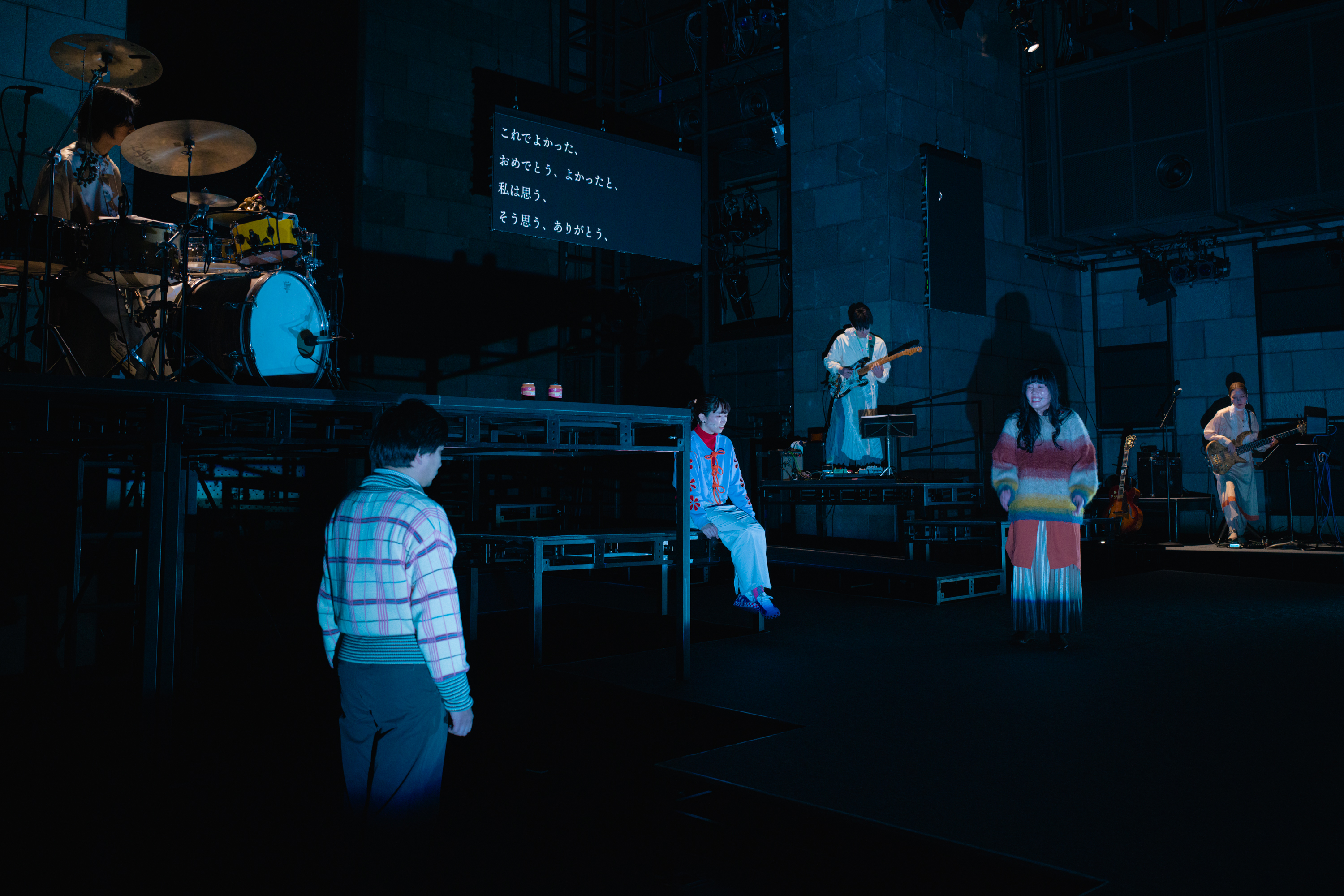
The biggest feature of this project is that viewing accessibility, including Japanese subtitles with speaker names and sound information, has been incorporated into the production process as a component of the work rather than an “afterthought”. Mr. Kono, who produced Nutomic, says: “Japanese subtitles with speaker names and sound information have a lot of information that affects the way the work is received, such as not only dialogue but also words that express sound and music. As this phrase suggests, subtitles and audio descriptions were positioned not only as auxiliaries, but also as creative elements that enhanced the quality of the work. Initially, the introduction of Japanese subtitles was planned to be limited to accessibility performances, but after verification, it was decided to implement it in all performances. Subtitles avoid the first appearance of the lines and pursue the timing of displaying them just before the completion of the speech. In addition, the subtitle design using LED panels optimizes the text size and display method.
Improving multifaceted accessibility
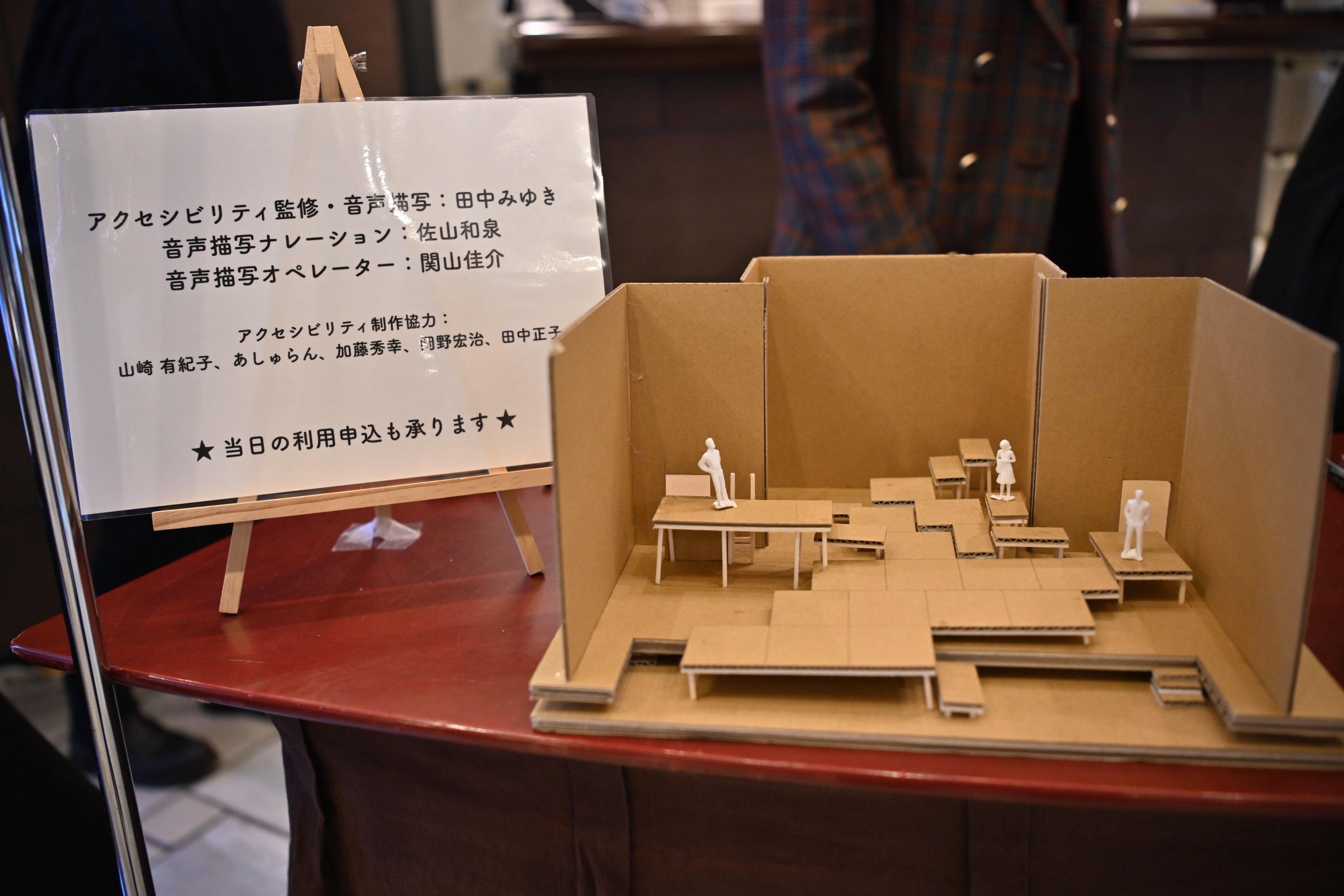
The overall accessibility of this performance was supervised by curator Miyuki Tanaka. Mr. Tanaka participated from the early stages of creation, advising on the design policy of subtitles and audio descriptions, as described later, and supporting the verification process with the participation of the parties. In addition, he was also responsible for writing the script for the audio description.
Production and operation
The production of subtitles was first an idea of Mr. Tanaka, and began by conducting a “workshop to explore the linguistic expression of sound” with actors, staff, and people with hearing impairments, and rubbing their linguistic senses. The subtitles were written by Taishi Nukada, who was in charge of the playwright for this work, and the subtitle design was done by video director Kotaro Konishi. Mr. Konishi introduced a production that shakes the letters in time with the music in real time through programming. He was also responsible for the operation of the actual performance, realizing live operations that were precisely synchronized with each performance. Mr. Tanaka wrote the script for the audio description, and the narration was written in real time by actor Izumi Sayama, who has appeared in Nutomic. A study meeting was held in advance for the participation of the parties involved, and refinement was repeated until the last minute, and an expression that was integrated with the atmosphere on the stage was pursued.
Performers’ reactions and directing effects
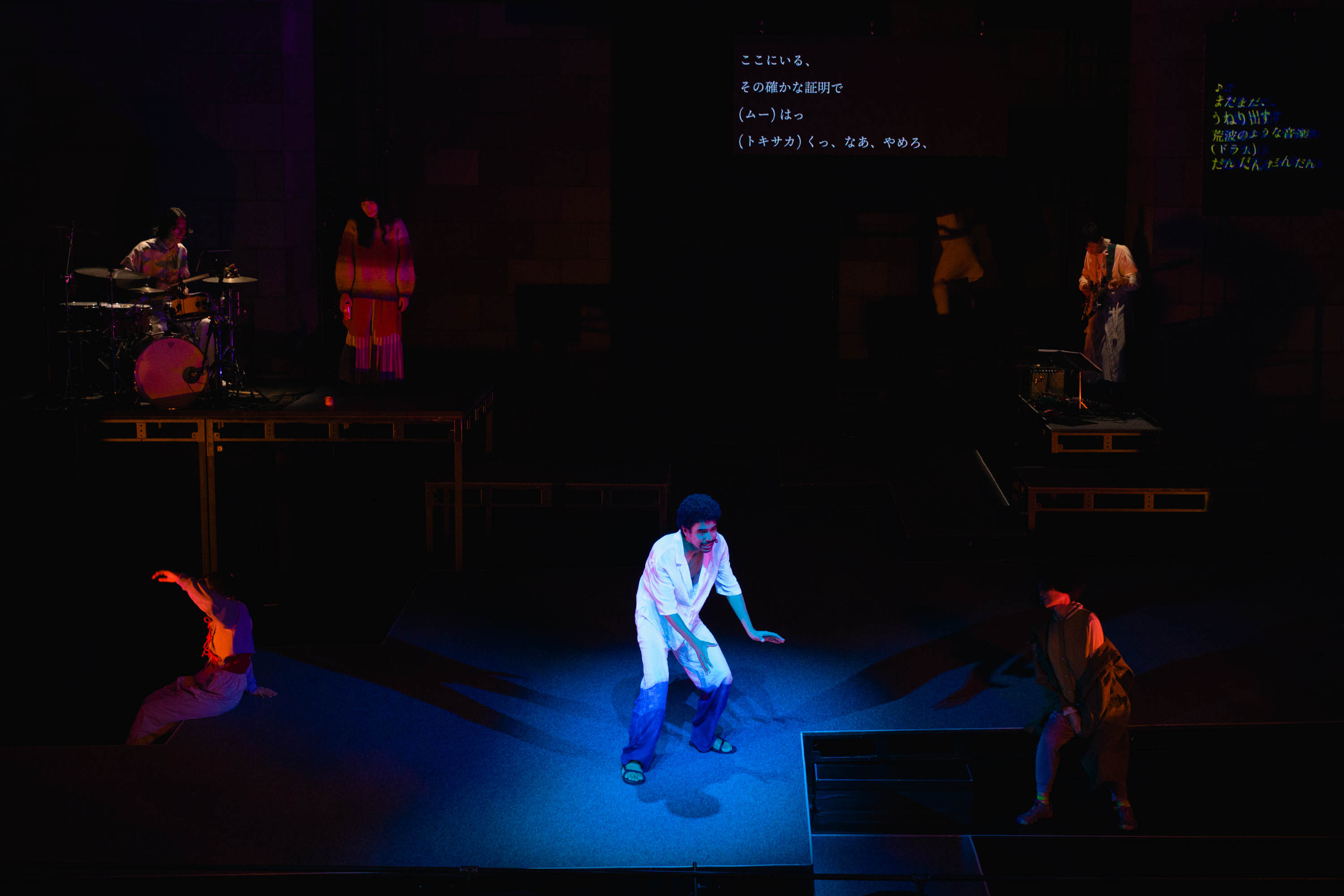
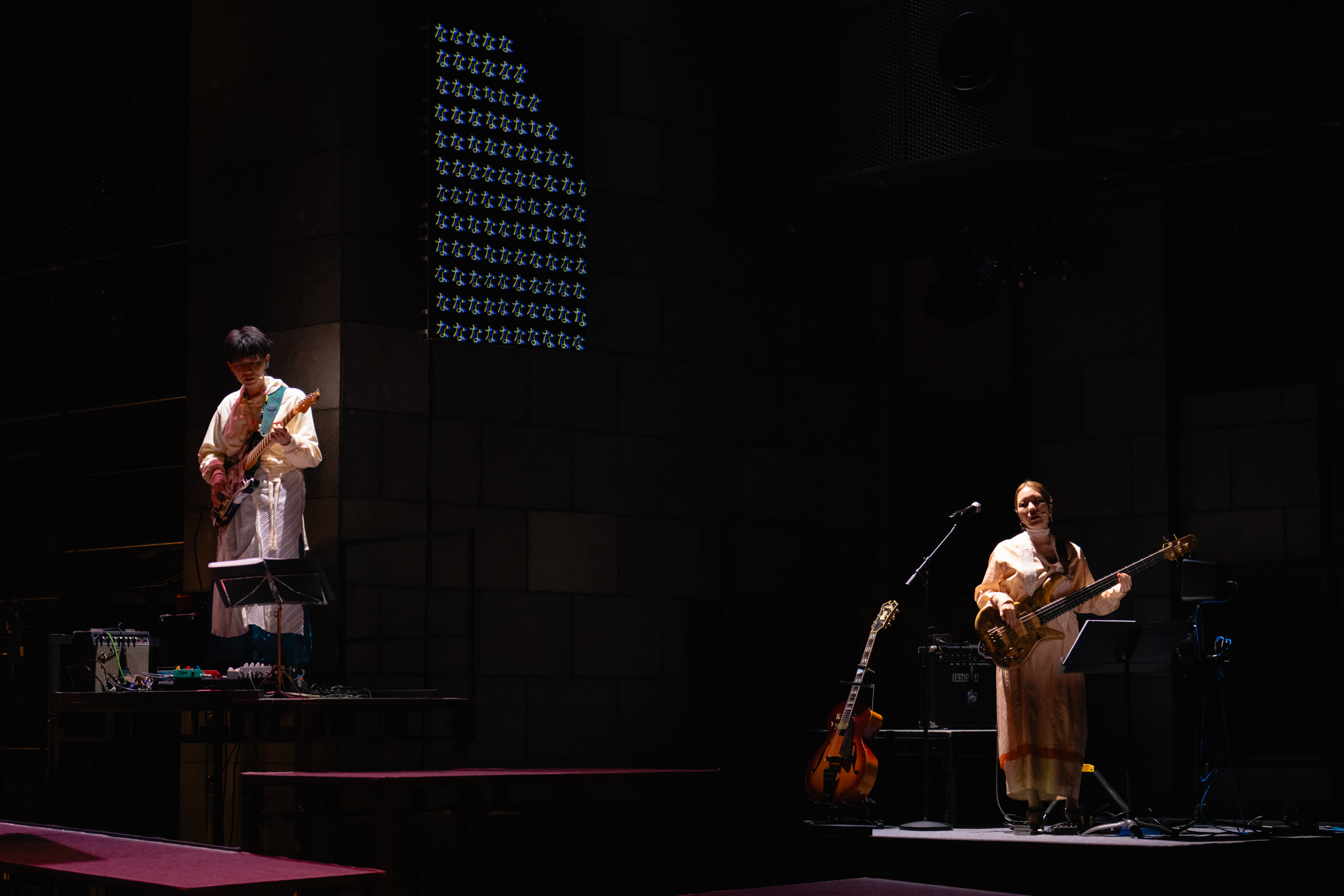
The reaction of the performers was generally positive, and there was little rejection due to their experience in other works. On the other hand, there was a concern that “the dialogue and subtitles would be the same answer”, so the subtitles were not displayed in advance, but a design was adopted to display them according to the completion of the actor’s speech. Mr. Kono said, “We were able to achieve this with the understanding and cooperation of everyone involved, and as a result, the presence of subtitles on stage served as a guide for viewing more than we had imagined.” Subtitles were not just a guarantee of information, but also a directing element that enhanced the quality of the work. In particular, in the scene where the dialogue transitions to the music, the repeated words become a series of vertical letters, emphasizing the afterglow and the weight of the words, creating a visual rhythm.
Audience reaction and visitor support
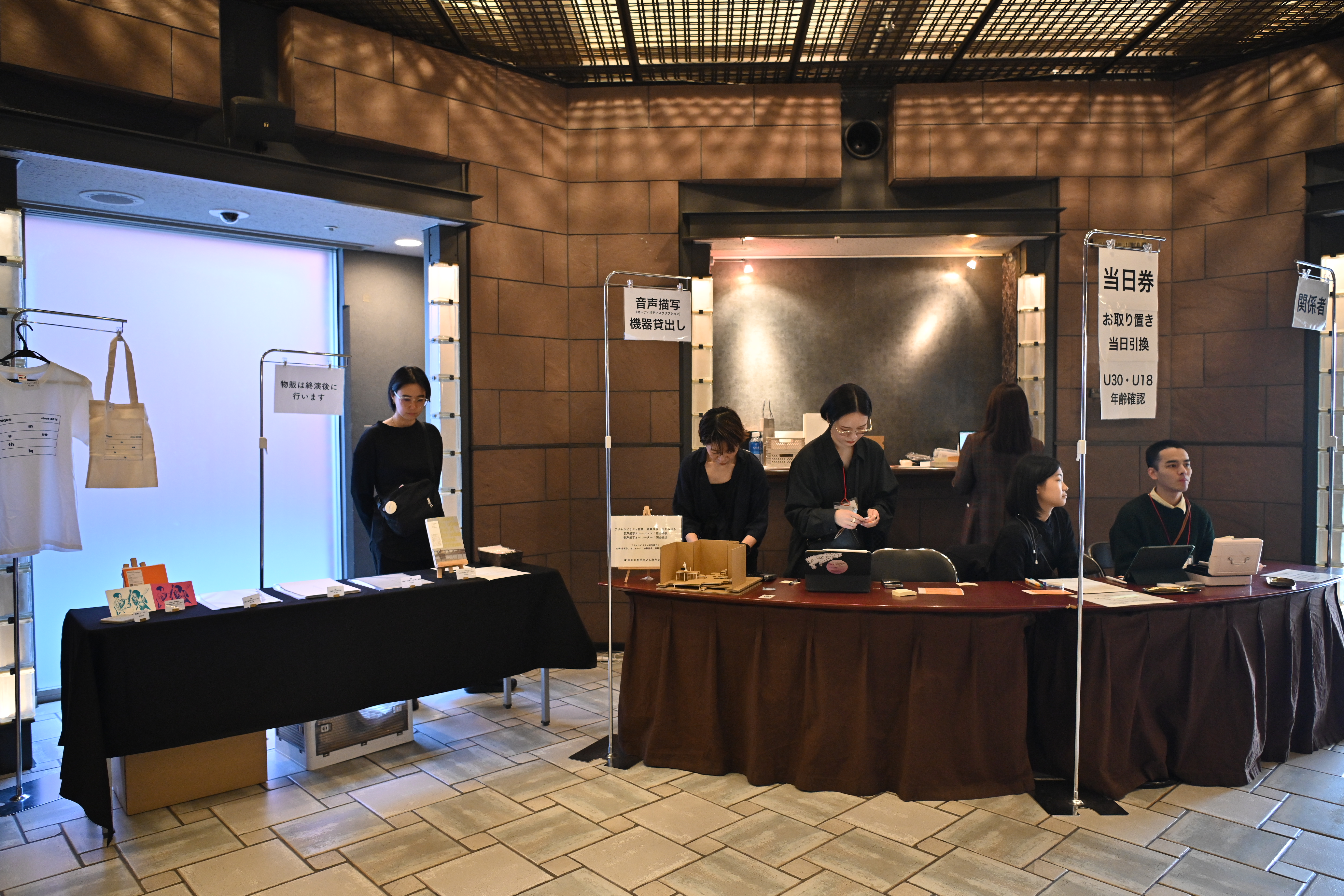
The audience commented, “The subtitles were good” and “I was able to understand the intention of the music.” It is said that it assisted in content recognition in hard-to-hear situations, such as overlapping dialogue and music, and was said to have been effective for listeners. In addition, it seems that the number of new visitors who came because there were subtitles has increased as a result of this viewing accessibility initiative. As a visitor support, a trial was also conducted in which staff accompanied them from the station to the theater, reaffirming the importance of mobility support for the visually impaired.
Information dissemination and community collaboration
The importance of disseminating information was also reaffirmed. Mr. Kono says, “The key to visiting the theater is to send out careful information to relieve anxiety until coming to the theater.” Sharing specific information that can be enjoyed with peace of mind, rather than just announcements, will lead to behavioral changes. This time, through Miyuki Tanaka, we collaborated with the community of visually impaired people and TA-net (Theater Accessibility Network), which is promoting activities that connect people who want to enjoy watching theater even if they cannot hear or see, organizations that lend scripts, sign language interpretation, subtitle projection, etc., performance organizers, and theaters, and spread information within the community of people with disabilities. Let’s go because we can trust it.” After the performance, a virtuous cycle was created in which the opinions of people with visual and hearing impairments were shared.
Challenges for further accessibility
The industry as a whole is overwhelmingly lacking in the accumulation of know-how on the part of the organizers. In recent years, while the number of examples of viewing accessibility initiatives has increased, all organizations are fumbling from scratch to create products, and it is difficult to reach the stage of improving the quality of support content. This time, Mr. Nukada wrote the subtitles himself, but it is also important that while the writer and director who wrote the play can provide accessibility integrated with the work by being involved in the subtitles, it is also important to have the option of collaborating with experts who can be close to the creation and understand the intention of the work, even if they leave the hands of the writer, just as Mr. Tanaka wrote the script for the audio description. Currently, there is a shortage of human resources with specialized knowledge to be involved in various supports that increase accessibility to art and culture, and Kono says that there is an urgent need to train experts.
Future prospects
Nutomic has a policy of incorporating viewing accessibility into the work in a form that can be easily and continuously. There are also strong expectations for the attitude of taking on the challenge of designing without being bound by stereotypes and promoting the development of the reception system in collaboration with theaters. This initiative demonstrates the potential to extend theatrical creativity beyond accessibility.

![[On-site report vol.06] &…](https://awt.rekibun.or.jp/wp-content/uploads/2026/02/Chupikiさん_写真_11-768x512.jpeg)