



[On-site report vol.06] “I want to deliver movies to everyone” – Tabata’s thoughts on a small movie theater
2026/02/20
Universal Theater with a diverse range of people
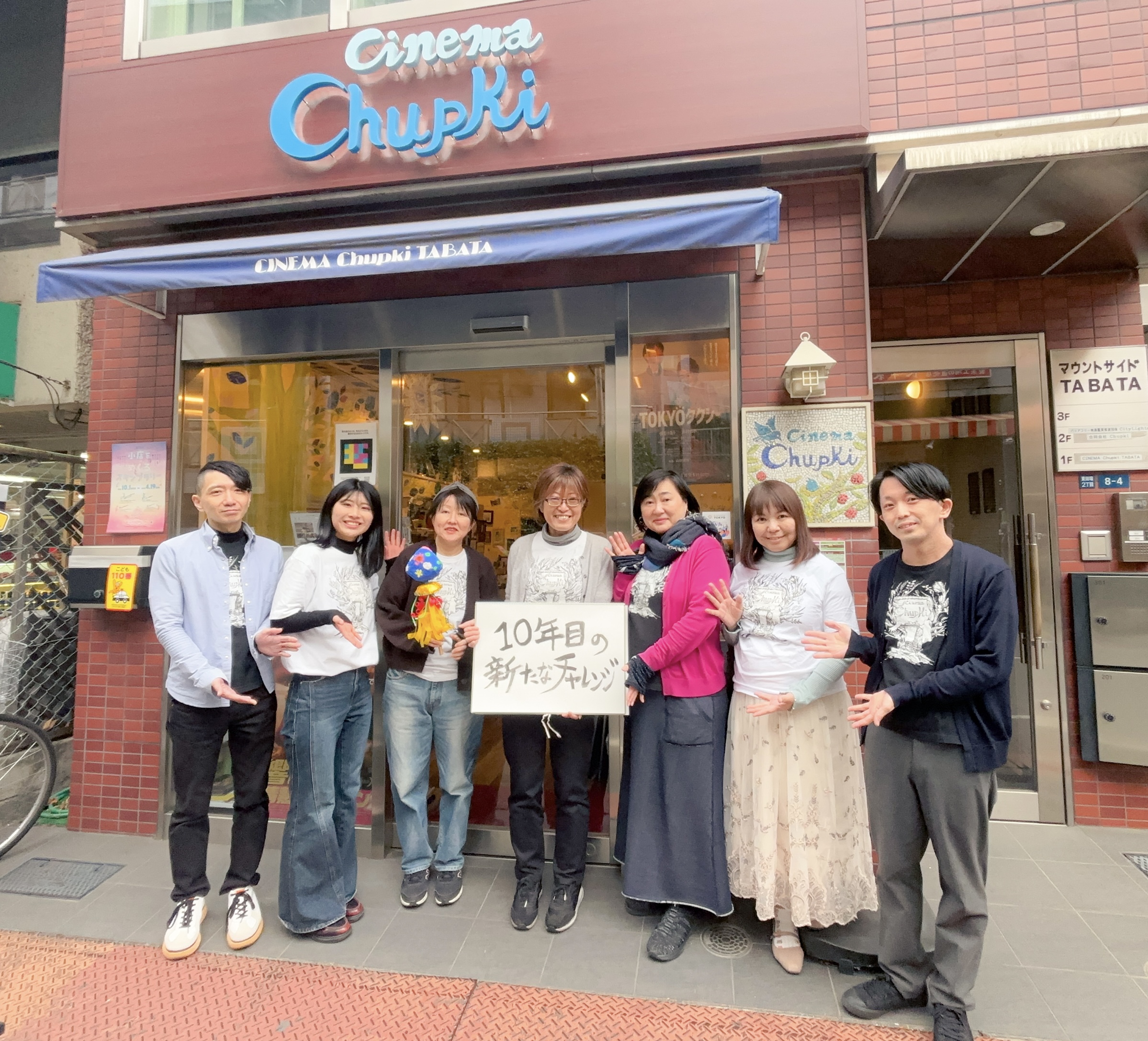
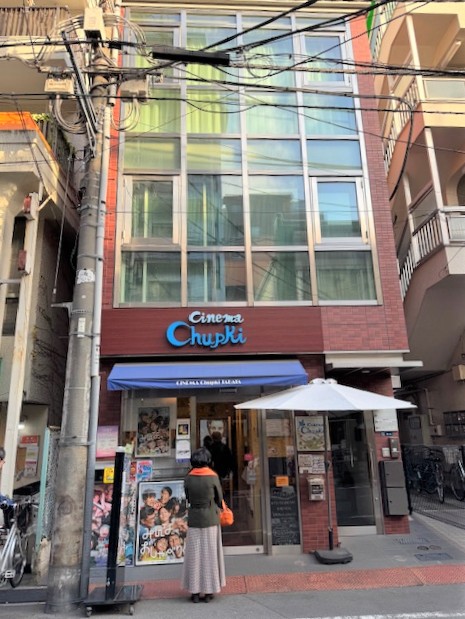
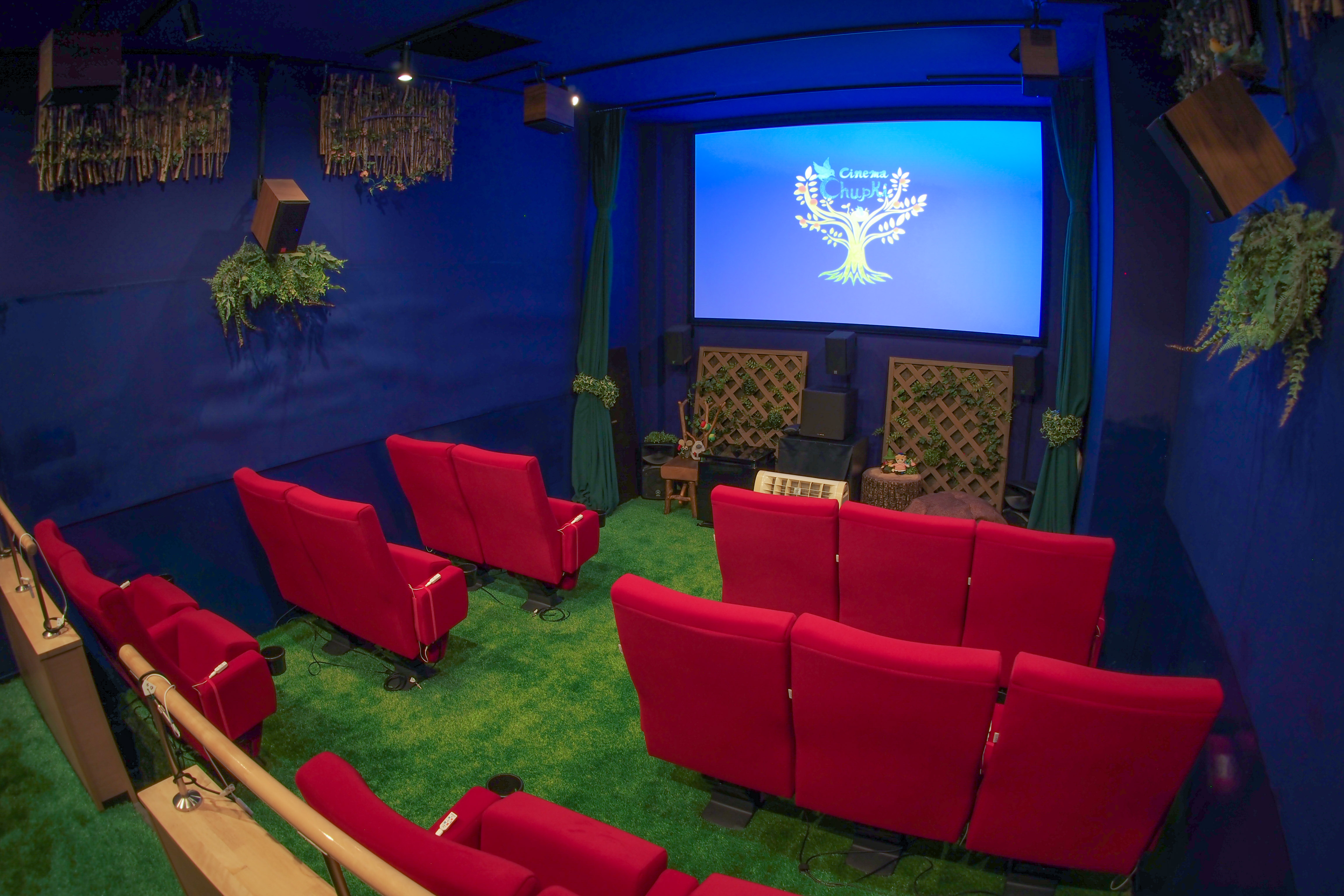
CINEMA Chupki TABATA is a small movie theater with a maximum seating capacity of 20 seats in the shopping street of Higashi-Tabata, Kita-ku, Tokyo. It is a universal theater with Japanese subtitles and audio guides through earphones for all screenings, so anyone can enjoy movies with peace of mind at any time.
“I want to deliver movies to everyone” – With that unshakable desire, Chupki LLC (hereinafter referred to as “Chupki”), which operates movie theaters that have viewing support tools not only for special times but also for all screenings, is to spread the opportunity to change the viewing experience into something lighter, and by watching the same film with a variety of people, We aim to form a better symbiotic society.
“Anytime, Wandering” – the reason for making it permanent
Chihoko Hiratsuka, the representative, has started a volunteer organization since 2001 to support the visually impaired in the form of an event. However, the event is only a one-day experience. As the desire to create a place where people can come and enjoy movies as a matter of course is intensifying, I believe that it is essential to create a system that can continuously cooperate with film distributors in order to create a movie viewing support environment, and as a film box office owner, I decided to establish a permanent theater.
Since 2016, Chupki has introduced Japanese subtitles and audio guides for all screenings, as well as wheelchair spaces and parent-child viewing rooms, for those who feel the hurdles of going to the cinema for various reasons, as well as for the visually impaired. Visitors support the sense of security that “no matter when you come, there is support for any work,” and the number of repeat customers is steadily increasing.
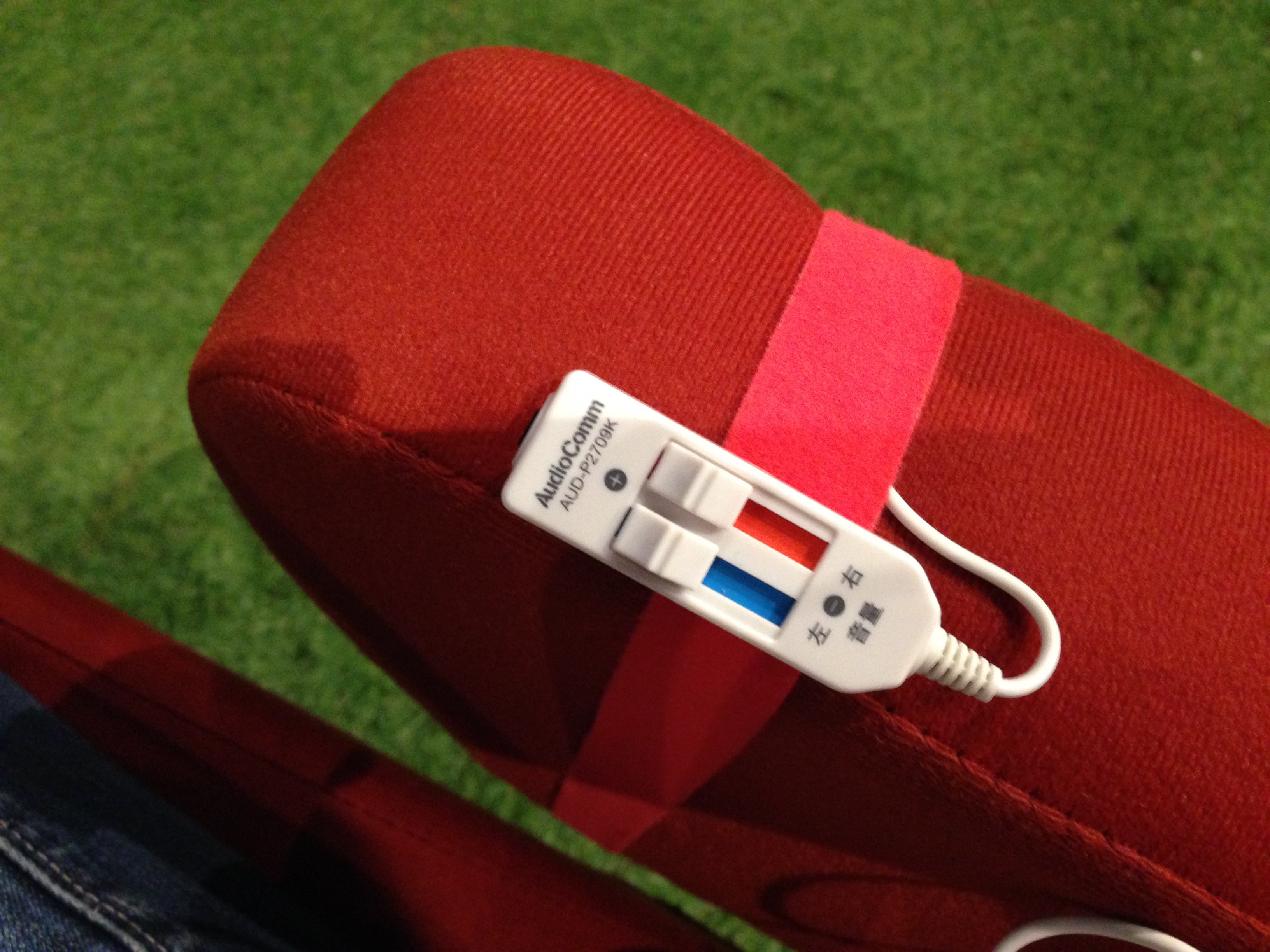
The audio guide, which can be used with earphones installed in all seats without the use of dedicated equipment, functions as an appreciation support tool to help many visitors, including those with hearing difficulties, not only the visually impaired, but also those with hearing difficulties.
Connecting to the next generation: creating opportunities
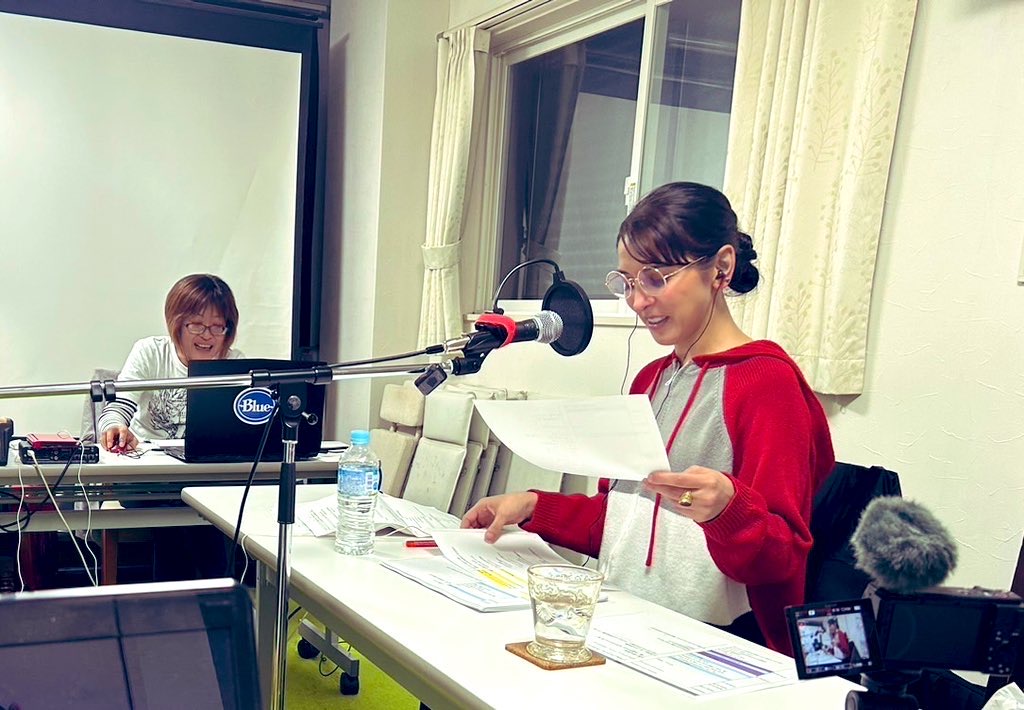
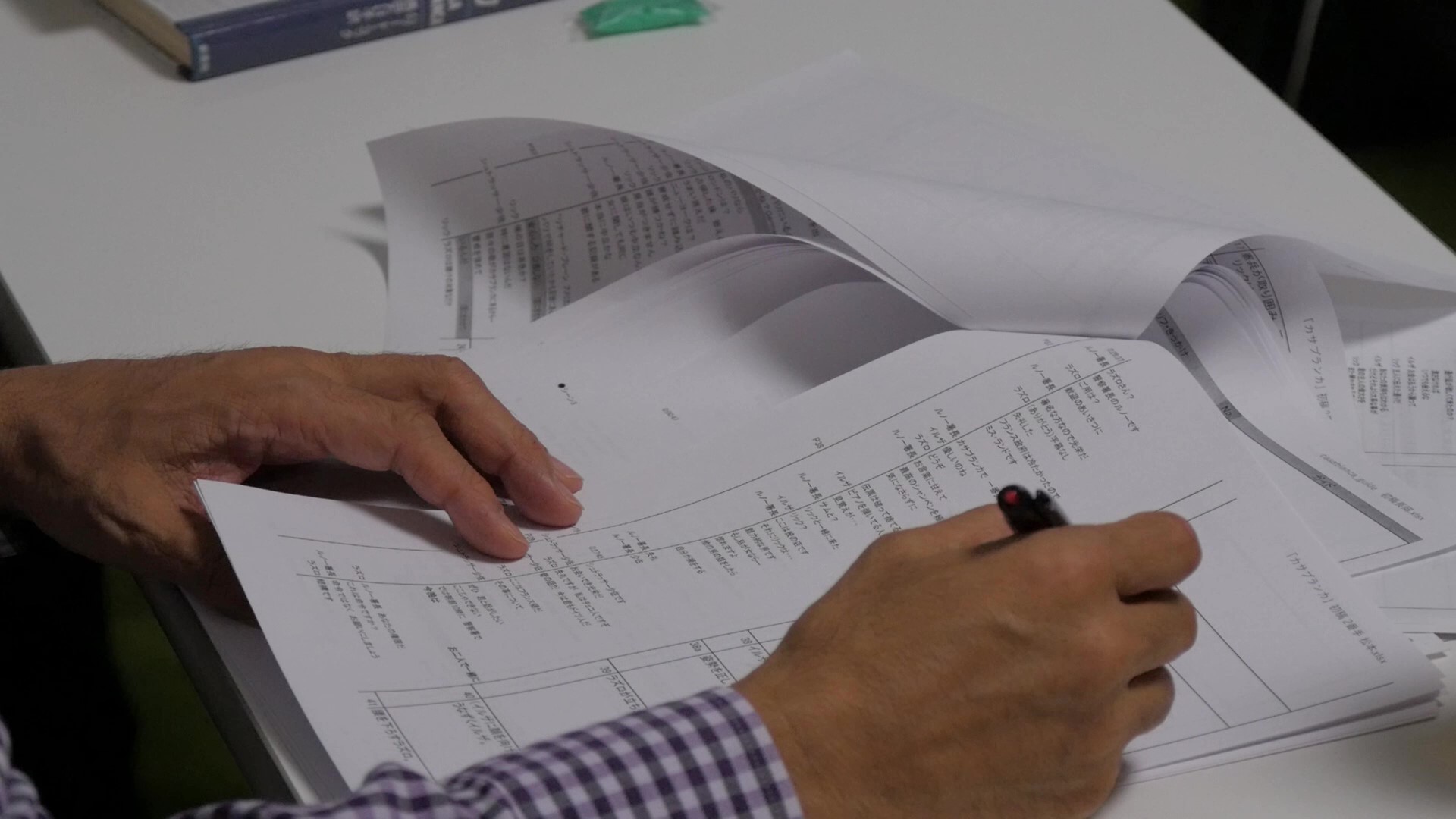
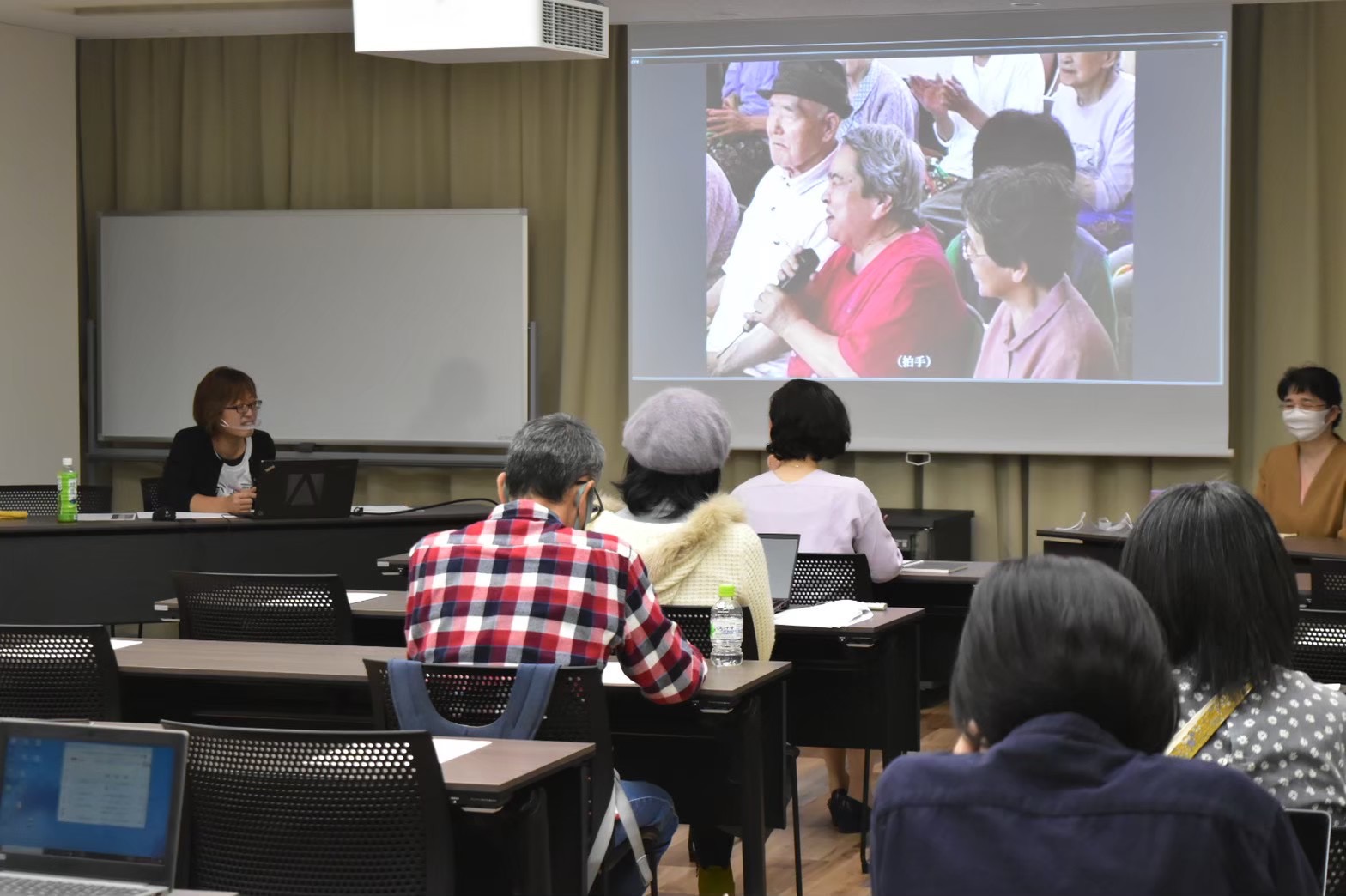
Chupki independently produces audio guides, focusing on classic foreign films that do not have a guide. In addition, we are focusing on cooperation with the educational field, and we are repeatedly conducting classes using audio guides as teaching materials at schools in various regions. Hiratsuka believes that “watching movies and having a dialogue with them is educational.”
In addition, in 2025, the company will resume holding audio guide script production workshops for the first time in seven years, and while working hard to develop human resources and pass on technology, it is trying to protect an environment where anyone can use barrier-free screenings on a daily basis.
Challenges ahead of the 2025 Deaflympics
Ahead of the Tokyo 2025 Deaflympics, Chupki implemented three programs using the Tokyo Arts and Culture Appreciation Support Grant.
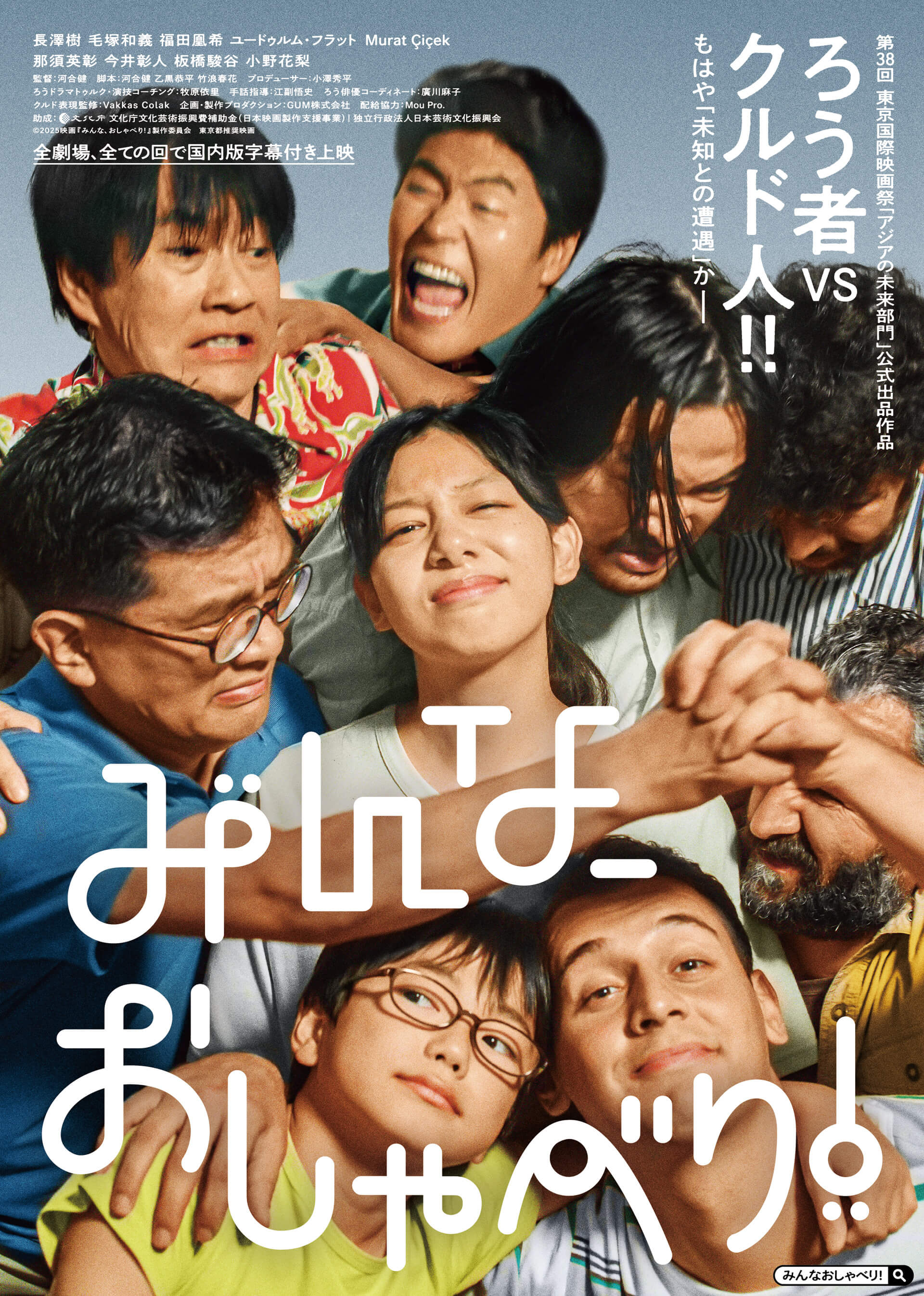
In October, we will produce barrier-free subtitles with a deaf monitor for the diversity film “Remain Together”, simultaneous screening with “Gender Marriage”, and a talk event with subtitle producers using sign language interpretation.
Then, in November, a special screening on the themes of “Deaf Sports” and “Deaf Culture” was held, “Deaf CINEMA Relay in Support! The screening included “Everyone’s Deaflympics” and “I Contact”, as well as “Two Worlds I Live”, “Only I Can Hear”, “Interpreters of the Heart” (a film produced and distributed by Chupki), and other films that intersect with social and emotional aspects on the theme of differentiation. In addition, the “Universal Screening de Chat with Everyone!” from Ken Kawai’s “Everyone, Chat!” We held an appreciation session, a talk event, and a sharing session with sign language interpreters. What is common to the series of programs is the attitude of designing appreciation from the perspective of the person concerned. By creating various points of contact, the audience’s reactions intersect and the way the work is perceived deepens. We will connect that response to the challenge of the next initiative.
The “incomprehension” and “connection” reflected by the impression sharing meeting
At the impression sharing meeting after the screening of the movie “Everyone, Chat!” held on December 21st, Ken Kawai, the director of this film, said that from his experience as a CODA (listener with a deaf parent), he said, “I have engraved a sense of not being able to communicate in the film” from his own experience as a CODA (listener with a deaf parent), and in this work, which reflects the conflict of CODA standing between sign language and spoken language, “By repeatedly sharing rather than understanding, I depicted the moment when the relationship between people rises.”
Producer Shuhei Ozawa says that he was conscious of “not explaining everything” when creating the work. “Leaving a blank space for each viewer to receive from a different position and physical sense” supports the interactivity of this film, and he said, “I value the experience of sharing time with others through the screen.
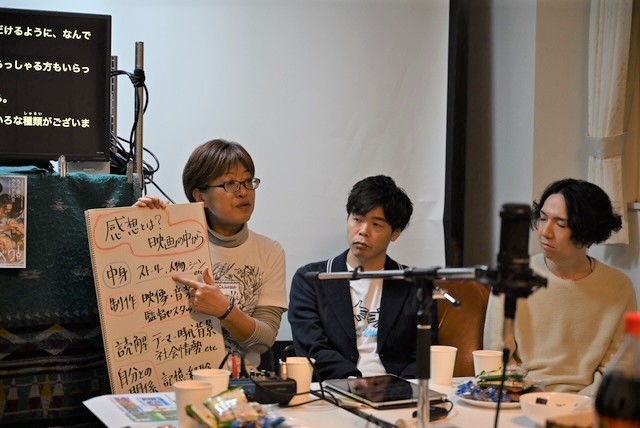
From left, Mr. Hiratsuka, CEO of Cinema Chupki TABATA, Mr. Kawai, director, and Mr. Ozawa, producer
For the first time, a text interpretation system using sign language interpretation and voice recognition was introduced for the sharing session, and a universal place was set up to talk with various people from different cultures and languages. From the participants,
“With subtitles and audio guides, it was refreshing to be able to laugh in the same place as people who had difficulty hearing or seeing.”
“I realized that ‘you can understand when you talk about it’ is not necessarily true.”
“Even if you use hearing aids, “listening” itself is a burden, and the subtitles made up for the meaning.”
“My heart warmed up at the moment when different means of communication intersected.”
A voice like that came up.
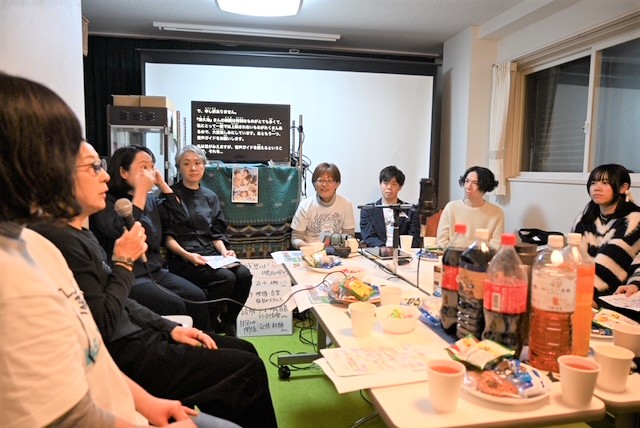
The value of theater appreciation – Chupki in the future
Now that streaming and DVD viewing have become commonplace, what Chupki values is the meaning of “experiencing it in theaters”. Diverse audiences gather in the same space to share the same work. Someone’s laughter, the trembling of the audience next to me…… The experience of watching a theater with the atmosphere of the place and the fluctuations of emotions is something that cannot be obtained through individual appreciation. And through the film, “creating opportunities to think about a better symbiotic society” – that is the next step Chupki aims for. Chupki’s challenge continues. While refining the origin of “watching together and talking together”.